← Workshop
Source-class title slide for Textual — Reading

Workshop 2

AI for Textual Analysis
Wednesday, May 27, 2026 · 10 AM – noon · CHDR

From the start of the industrial revolution, workers have had to contend with displacement via automation and have resisted it for just as long.

One of the hallmarks of the beginning of this age was the concomitant rise of innovative technologies advertised to make work easier and simpler, and to increase productivity.

Like modern AI boosters, those selling new technologies promised that they would usher in a rising tide that lifted up workers and business owners alike.

The AI Con, p. 43

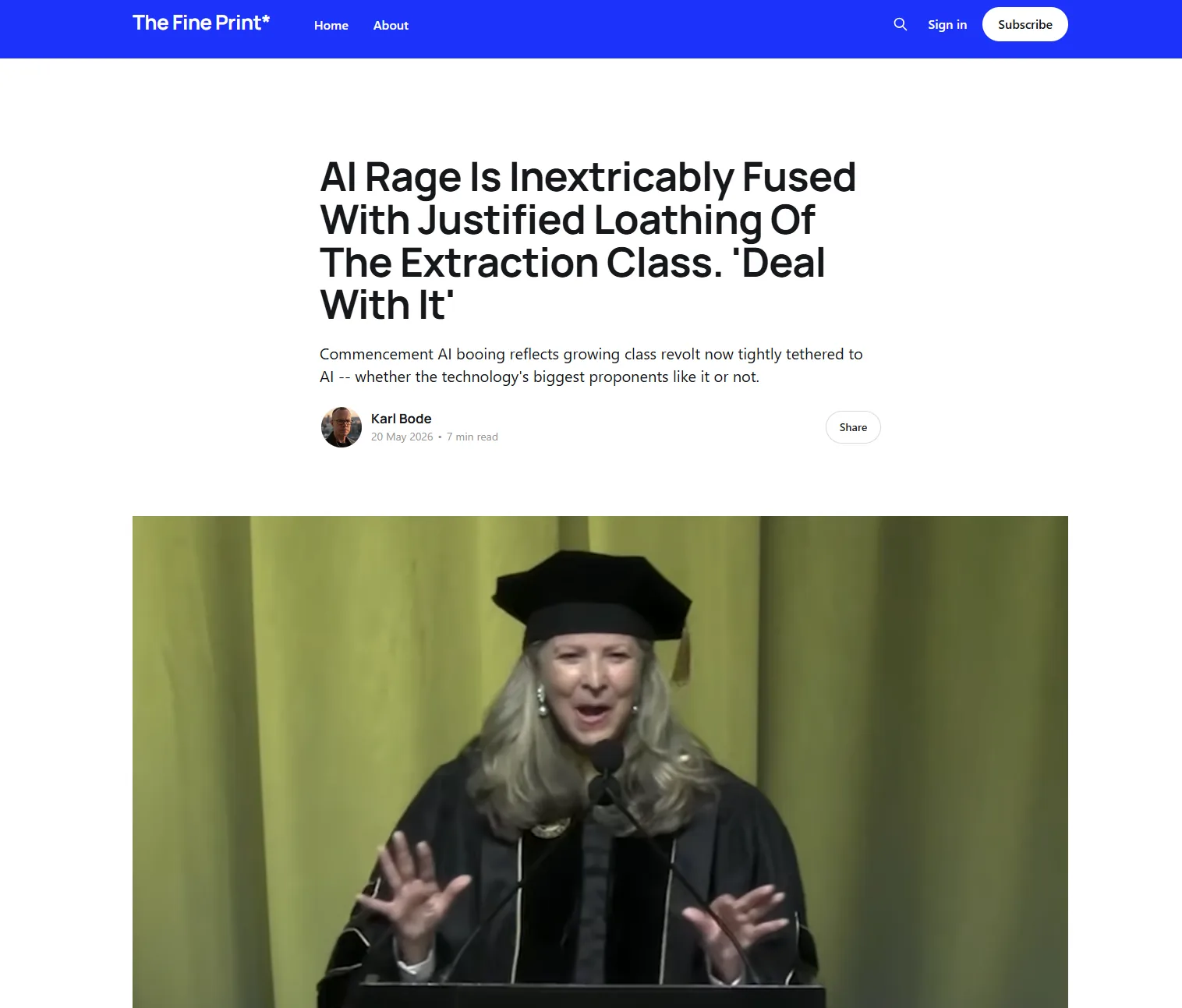
The Fine Print headline by Karl Bode, 'AI Rage Is Inextricably Fused With Justified Loathing Of The Extraction Class. Deal With It,' over a photo of a commencement speaker in academic regalia at a podium

Karl Bode, The Fine Print

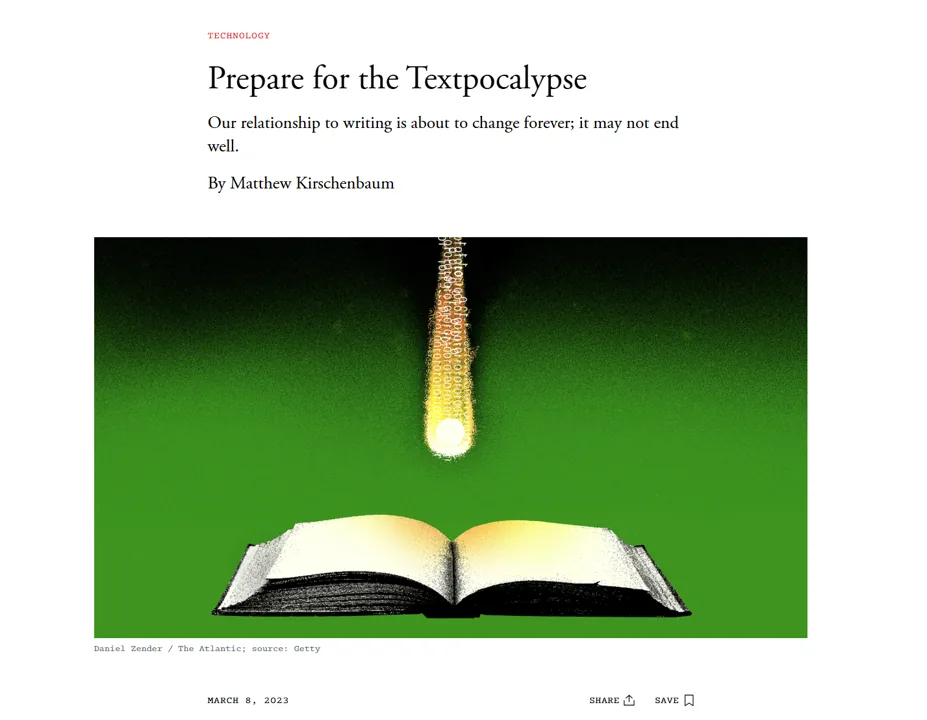
The Atlantic headline 'Prepare for the Textpocalypse,' by Matthew Kirschenbaum, with an illustration of a meteor striking an open book

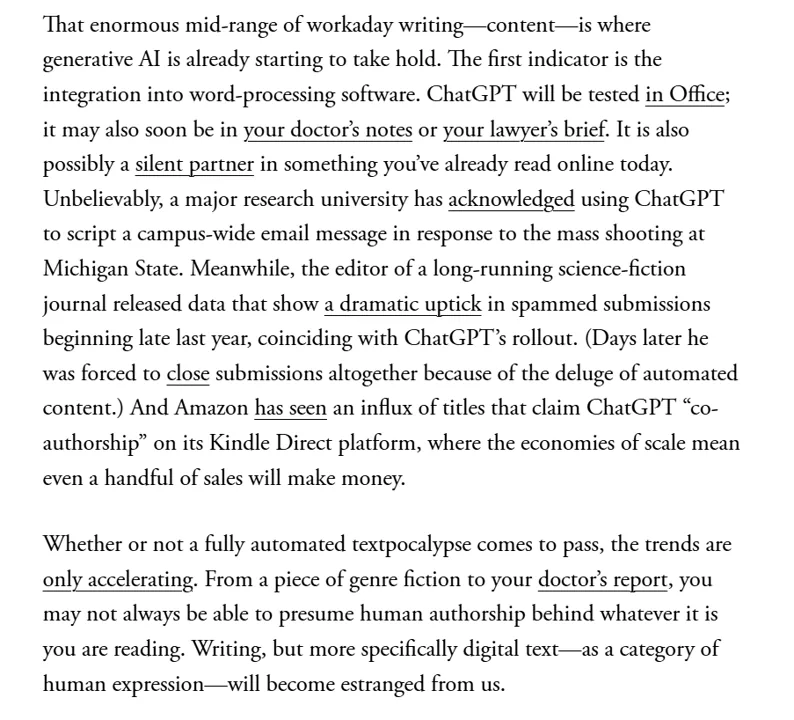
Matthew Kirschenbaum, The Atlantic: "Prepare for the Textpocalypse"
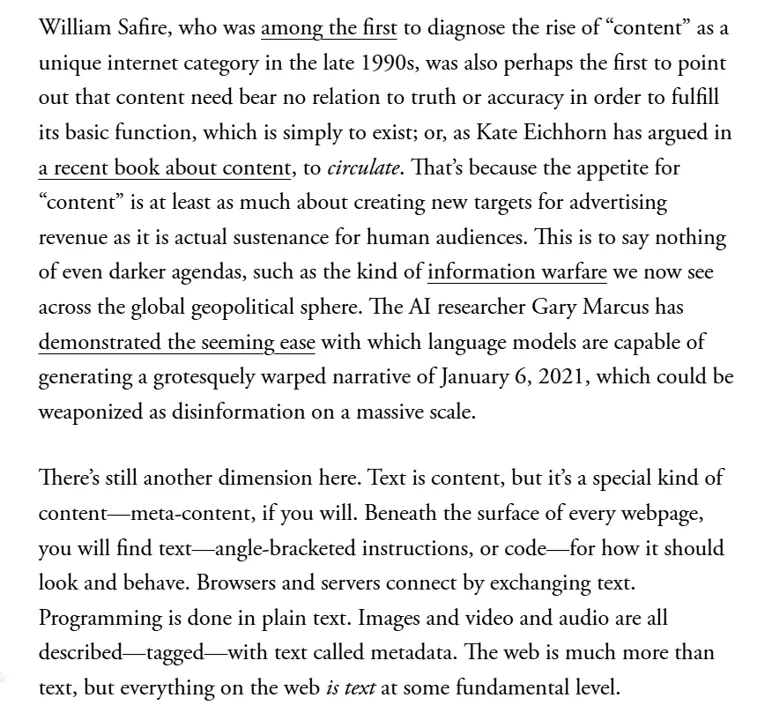
Excerpt from 'Prepare for the Textpocalypse' on AI-generated text, spam, and content moderation
Excerpt from 'Prepare for the Textpocalypse' on workplace writing, lock-in, and the enshittification of text
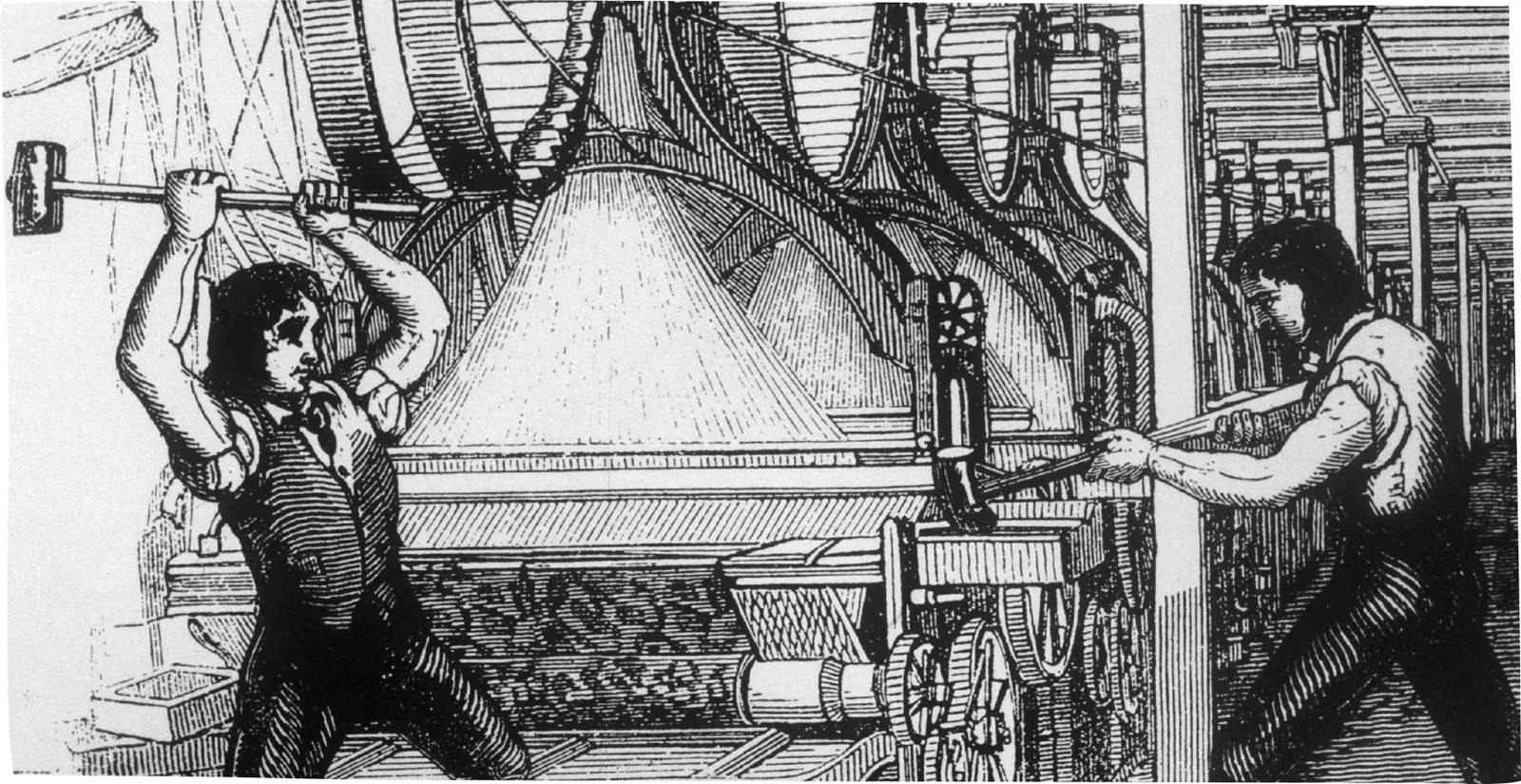
19th-century engraving of two workers smashing a power loom with a sledgehammer

Breaking the frames: a 19th-century image of Luddite machine-breaking
Luddite Lab

DAIR Institute: labor.dair-institute.org

Luddites were not against technology.

Some Luddites, weavers in particular, were into technologies that helped evaluate the quality of their work — for instance, being able to count the number of threads per inch, such that they could fetch a higher price at the market.

They were instead against technologies of control and coercion, and concerned about the loss of jobs, health, and community.

The AI Con, p. 45

The Luddites, reconsidered

I saw someone referring to the booing of commencement speakers talking about AI as a tantrum from students who don’t understand technology. That made me think that I bet machine breaking was also perceived as a tantrum. Anyway, here’s some thoughts about the Luddites.

[image or embed]

— Dr. Casey Fiesler (@cfiesler.bsky.social) May 18, 2026 at 9:27 AM
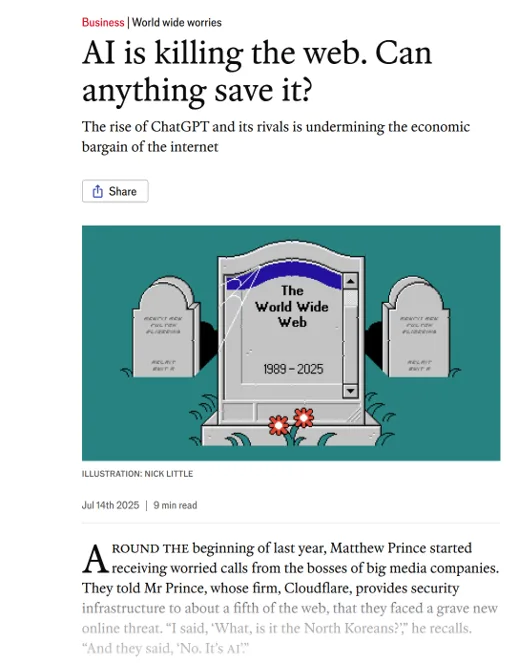
The Economist headline 'AI is killing the web. Can anything save it?' with a tombstone reading 'The World Wide Web 1989–2025'

The Economist: "AI is killing the web. Can anything save it?"
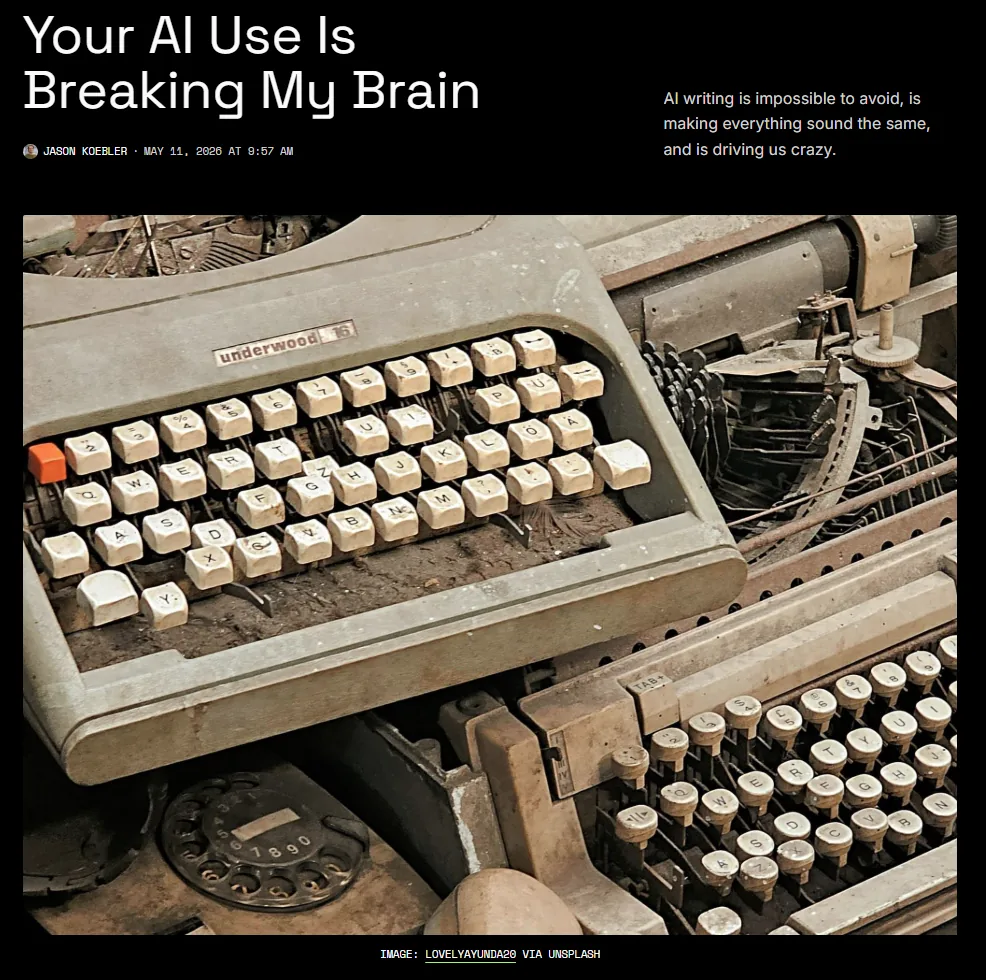
404 Media headline 'Your AI Use Is Breaking My Brain,' by Jason Koebler, over a photo of a decaying typewriter

404 Media: "Your AI Use Is Breaking My Brain"

To browse the internet today, to consume any sort of content at all, is to be bombarded with AI of all sorts. People think things that are fake are real, things that are real are fake.

Much has been written about 'AI psychosis,' the nonspecific, nonscientific diagnosis given to people who have lost themselves to AI. Less has been said about the cognitive load of what other people's AI use is doing to the rest of us.

Our brains are now performing untold numbers of calculations per day: Is this AI? Do I care if it's AI? Why does this sound or look or read so weird? Does this person just write like this? Is this a person at all?

— Jason Koebler, 404 Media

In the early 2000s, replacing hand-curated indexes like Lycos and Yahoo! seemed like a large boon for those struggling to navigate the unstructured web.

But now Google Search itself structures the web, and not in a way that benefits the broader public: Google is first and foremost in the business of selling ads, not providing helpful access to information.

Google's advertising model has led to an inferior product — what author and technology critic Cory Doctorow has called 'enshittification.'

The AI Con, p. 51

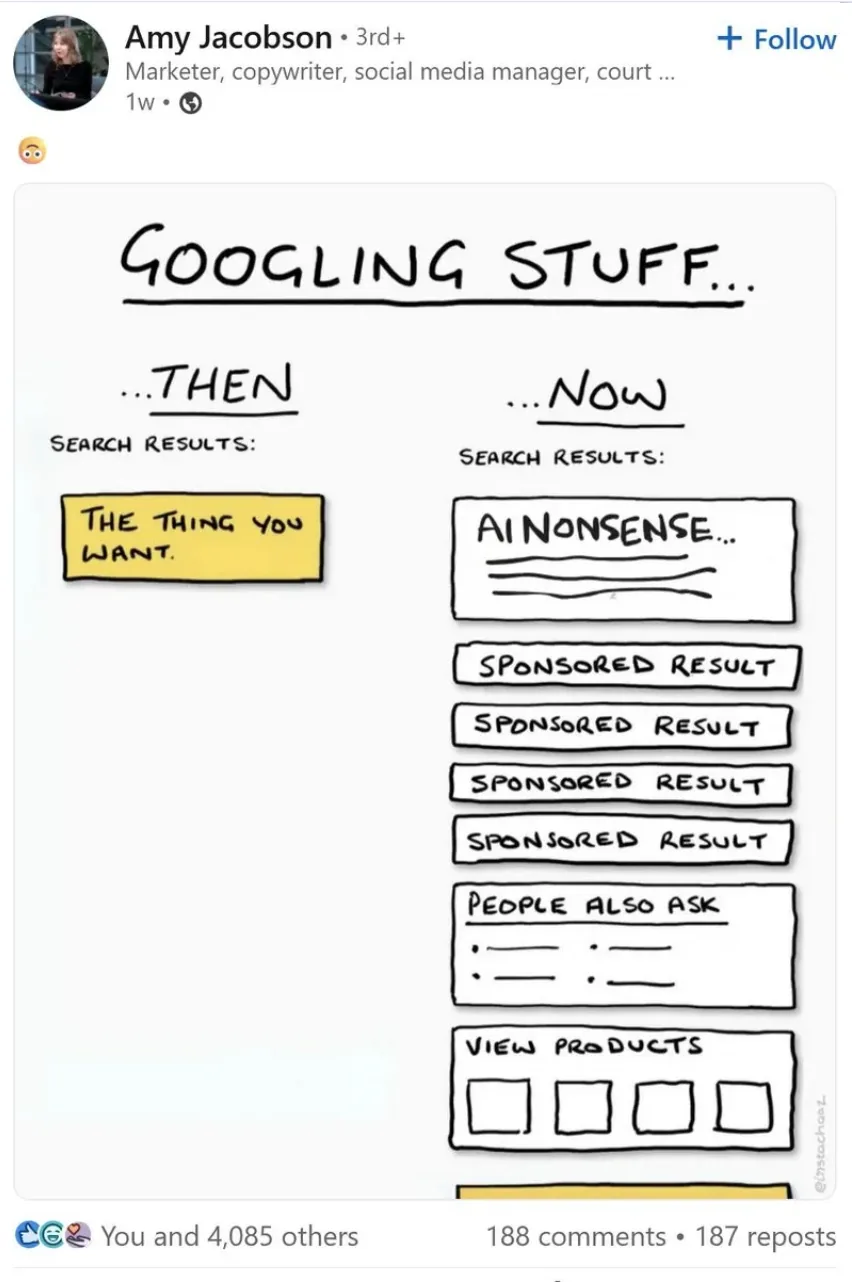
Hand-drawn cartoon, 'Googling Stuff... Then vs Now': 'Then' returns one result, 'the thing you want'; 'Now' returns AI nonsense, three sponsored results, People Also Ask, and View Products

Amy Jacobson, via LinkedIn

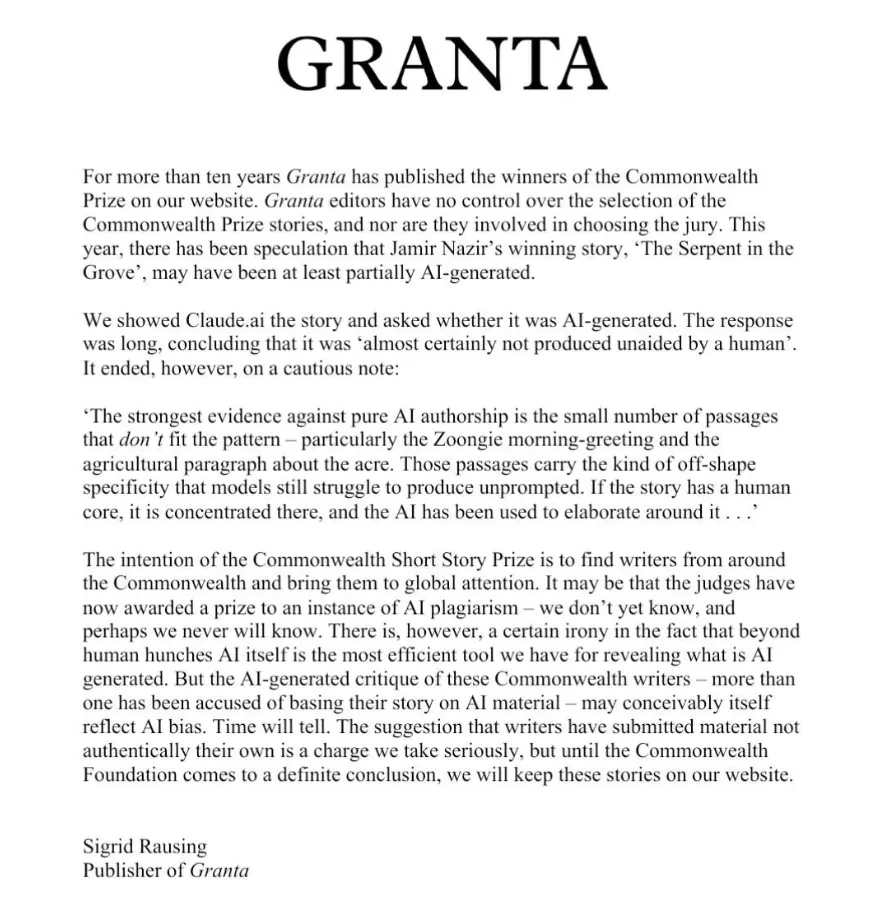
Text from Granta describing how a Commonwealth Short Story Prize winner was suspected of being AI-generated, and Claude's assessment that the story was 'almost certainly not produced unaided by a human'

Sigrid Rausing, Publisher of Granta

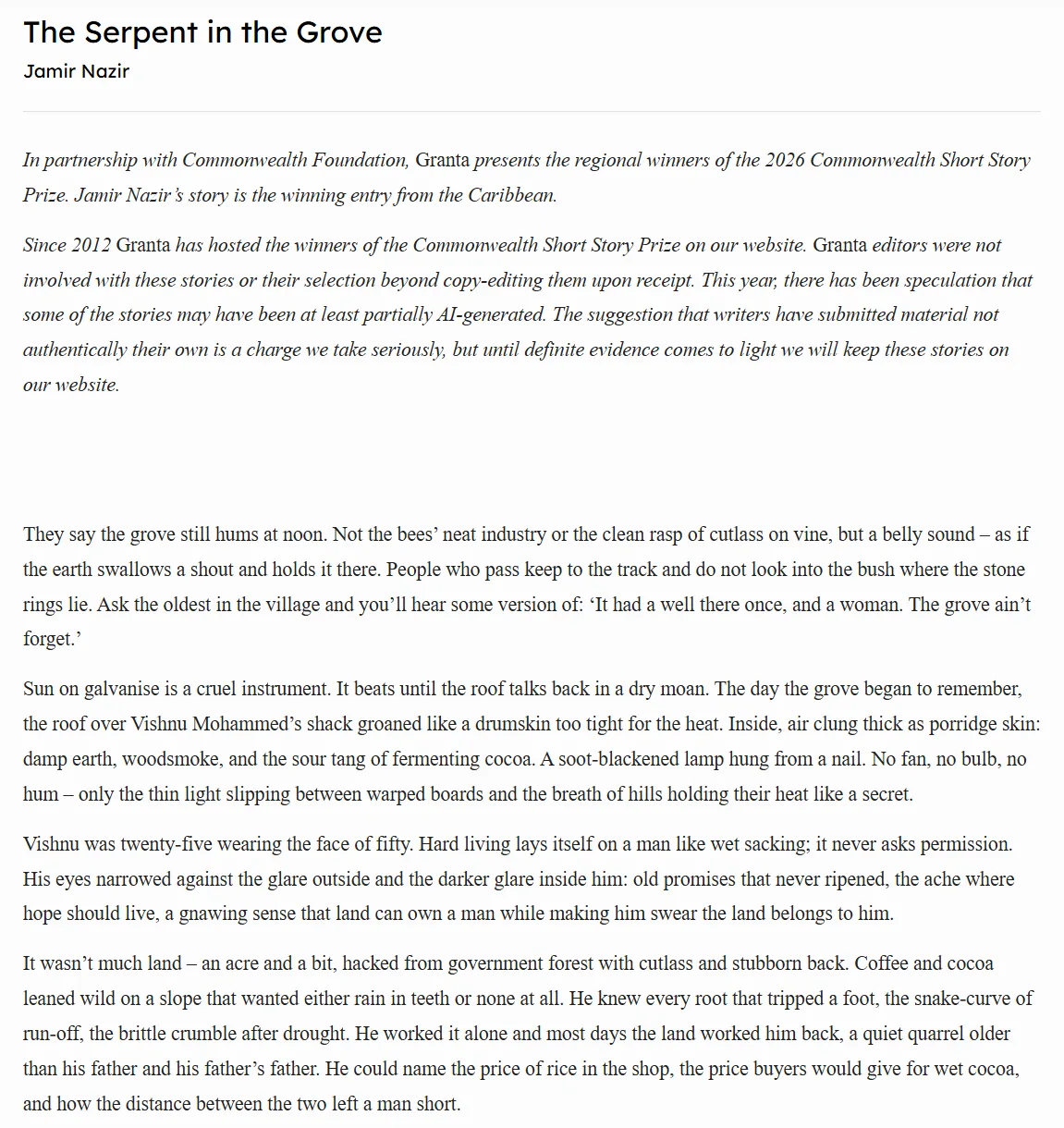
Screenshot of the Granta story 'The Serpent in the Grove' by Jamir Nasir, introduced as the 2024 Commonwealth Short Story Prize winner amid suspicion the entry was AI-generated, followed by the opening of the story

"The Serpent in the Grove," Jamir Nasir — granta.com/the-serpent-in-the-grove

Part 1

What "distant reading" has meant

Moretti, Underwood, the Voyant tradition. What Claude Projects adds: persistent context across multi-turn conversation, multi-file uploads, native handling of mixed formats.

Distant reading: from Voyant to Claude

  • Moretti, 2000s: the literary system at scale — what a single book hides, a thousand reveal.
  • Underwood, 2010s–: stylometrics, character networks, century-long trends.
  • Voyant, classroom: word counts and concordances democratized to the seminar room.
  • Claude Projects: multi-text, multi-format, multi-turn — humanities-scale, not big-data scale.
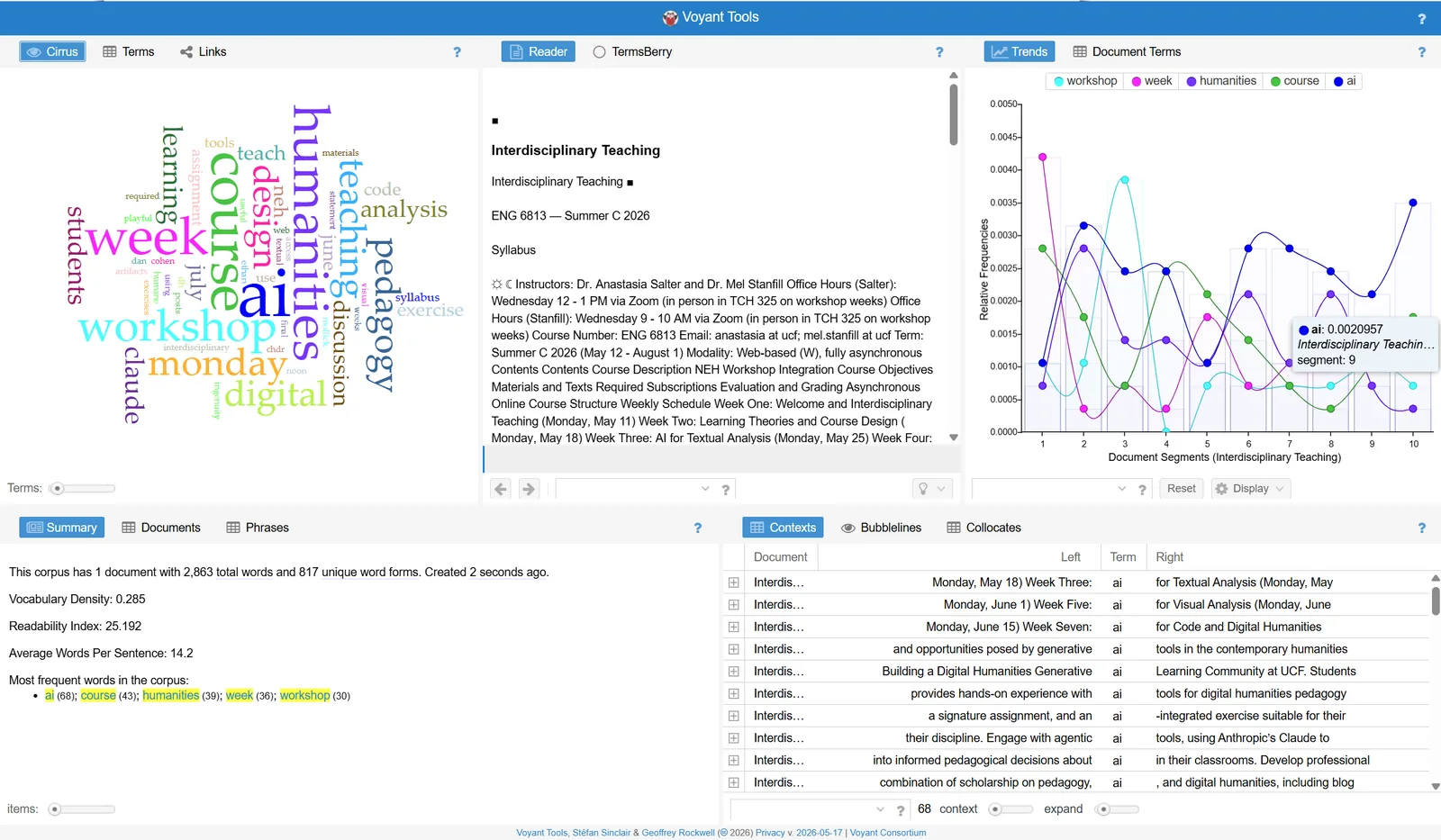
Voyant Tools dashboard showing a word cloud, reader pane, and term-frequency trends for a corpus of course materials

Field check

Where AI is reading text right now

Three quick scenes from professional reading practices already on the move.

AI is now an A+ law student

  • Reuters: AI is now an A+ law student.
  • When the model takes the class, what does the credential certify?
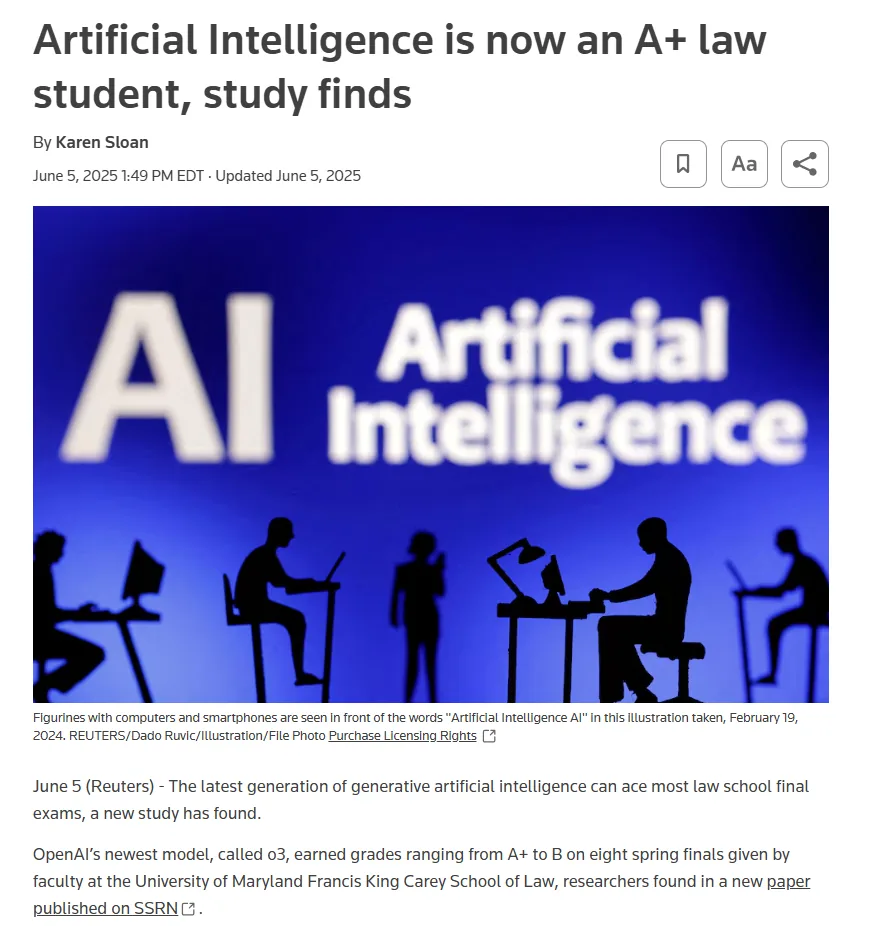
Critique-the-AI illustration

Reading the doctor's notes

  • Rolling Stone: AI chatbot medical-advice study.
  • Patients reading test results with Claude before they call the office.
  • What does it mean for our students that every domain now uses an LLM intermediary?

Medical AI advice article

The cheating frame is the wrong frame

  • Futurism: students openly use ChatGPT for homework.
  • OpenAI tracks the use as growth, not failure.
  • This type of usage for skipping the reading is more naive than distant reading: it puts trust in the model's interpretation.
Cheating-with-AI article

Where AI earns its keep: handwriting

AI is more useful for approaching texts that offer challenges computation can resolve — for example, handwriting.
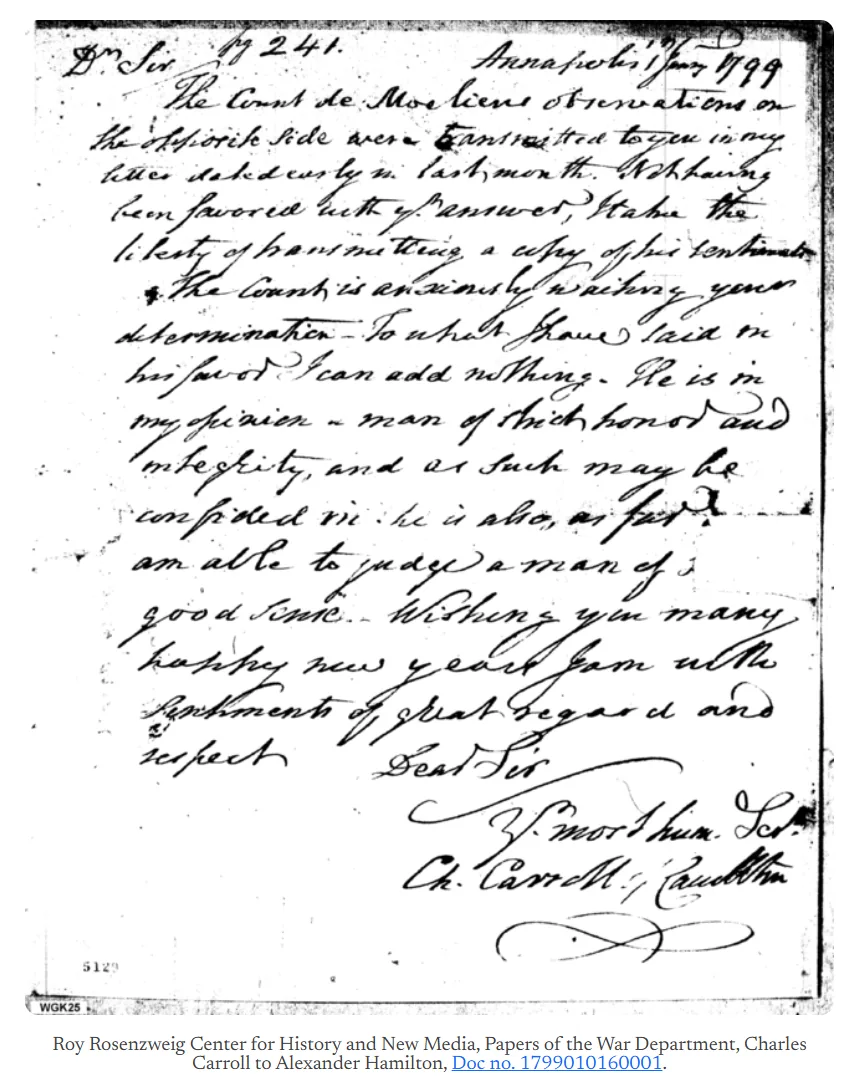
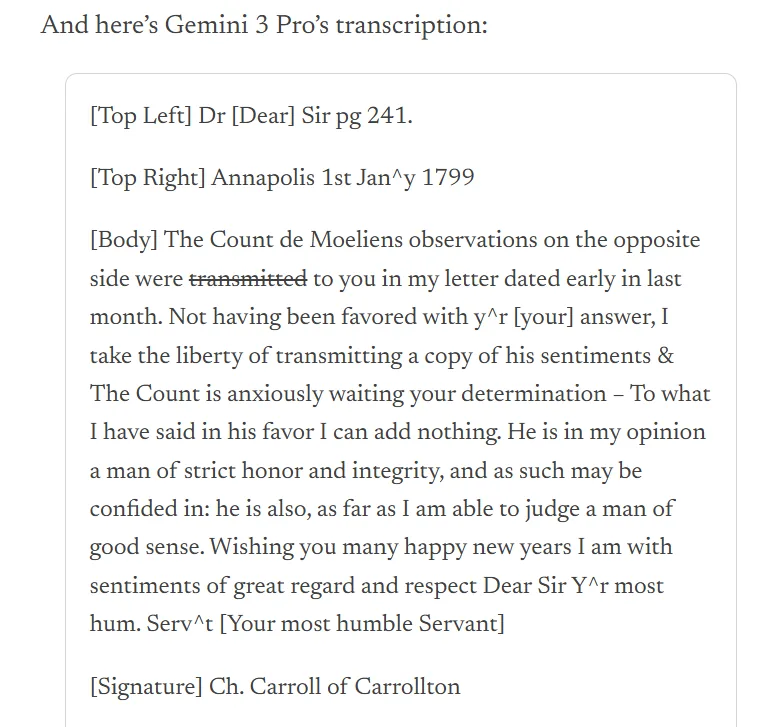
A handwritten 1799 letter from Charles Carroll of Carrollton
The manuscript: a 1799 letter
Gemini 3 Pro's typed transcription of the handwritten 1799 letter
Gemini 3 Pro's transcription

Before the demo

Whose reading paid for this?

Distant reading at this scale was always built on hidden labor. With LLMs, the labor moved — but didn't vanish.

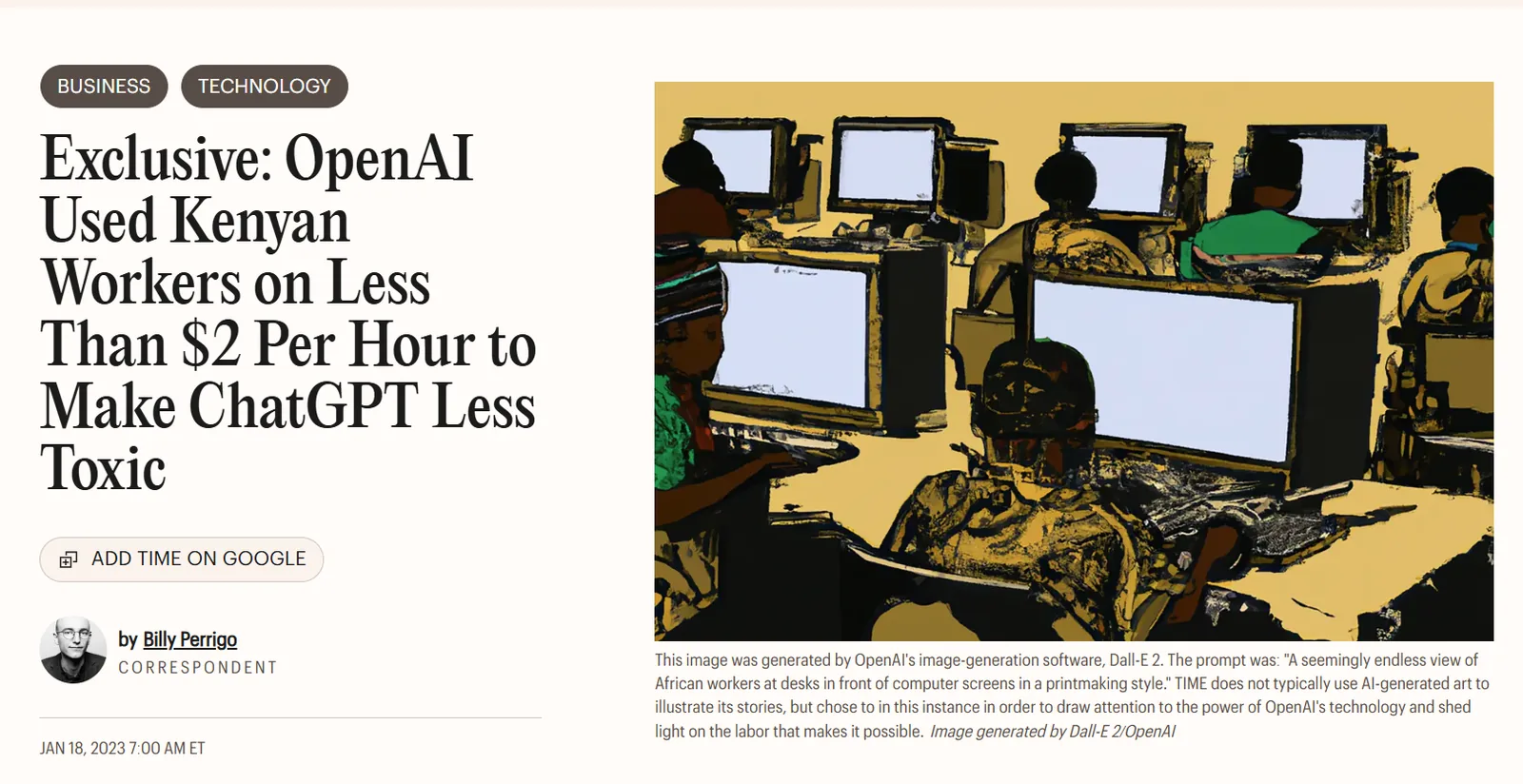
TIME headline: 'OpenAI Used Kenyan Workers on Less Than $2 Per Hour to Make ChatGPT Less Toxic'

The training set is also a legal record

  • September 2025: authors settle for $1.5 billion in the first-of-its-kind Anthropic copyright suit.
  • The training corpus is the legal exhibit.
  • Where does your writing sit inside that record?
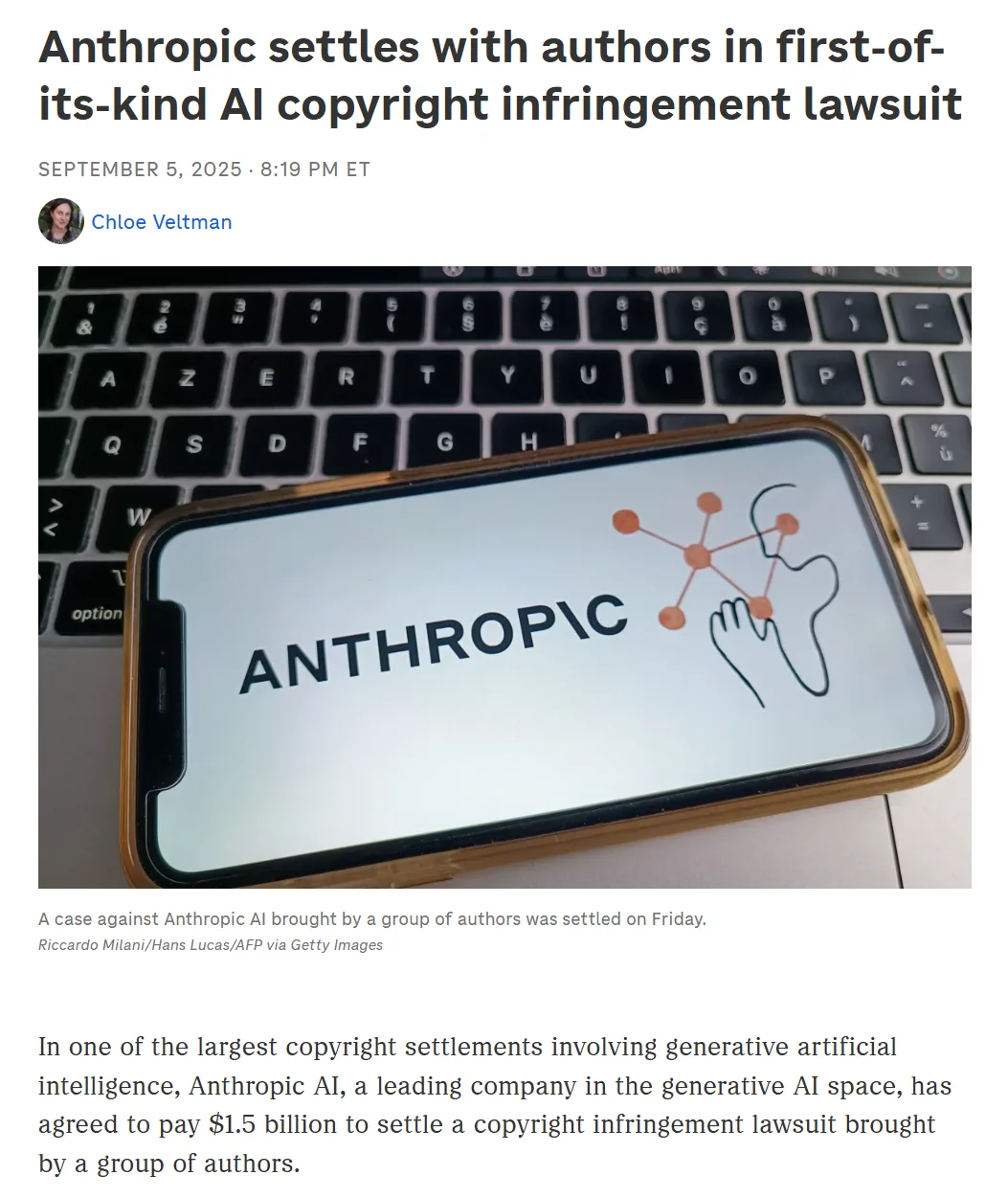
NPR headline: 'Anthropic settles with authors in first-of-its-kind AI copyright infringement lawsuit,' with a phone showing the Anthropic logo

Part 2

Live demos: Projects and Skills

First a corpus I haven't opened — preprocessing → bag-of-words → key phrases → comparative passages → thematic network — then a simple, reusable textual-analysis Skill.

Live demo

A corpus I haven't opened

Live demo

A textual-analysis Skill

I'll build a simple textual-analysis Skill live — a reusable instruction set Claude loads on demand. You'll build your own in the Week 4 async, using Anthropic's Complete Guide to Building Skills for Claude.

Exercise

Distant reading with Claude Projects

Using the three-to-five-text corpus you brought:

  1. Create a fresh Project. Upload all texts.
  2. Run the sequence: stopword filter → bag-of-words → key phrases → character or theme network → comparative read.
  3. Ask Claude for an Artifact that visualizes one finding (a frequency chart, a network, a comparative table).
  4. Critique what you see. Compare to what close reading would surface.
  5. Document at least one place Claude got it wrong. That's the deliverable.
  6. Then run the same corpus through NotebookLM — note how the workflow and the visibility of the code differ.

What the Audio Overview is really doing

Here’s a video from the same podcast as linked in my previous post where you can hear the audio too. I love this because it really lays bare how LLMs fool us - but really they’re just slotting words into linguistic patterns that we’re familiar with. Genres like a podcast or LinkedIn post.

[image or embed]

— Jill Walker Rettberg (@jilltxt.bsky.social) May 20, 2026 at 2:36 AM

Supplement to Rettberg, Jill Walker. 2026. "AI-generated podcasts: Synthetic Intimacy and Cultural Mistranslation in Audio Overviews from Google's NotebookLM." Media, Culture & Society. Dataset · doi:10.1177/01634437261452160

Part 5

Discussion

Where did Claude help? Where did it hallucinate? What would a student need to know before they used this for an assignment in your course?

Bring forward to Workshop 3

  • Save your Project. We'll add images to it next time.
  • Save the bad Claude answer you found — it's a teaching artifact.
  • Workshop 3 (Week 5): we move from text to image. Bring 5–10 images you have rights to use.

Carry it forward