Three Units + a Coda
Ghosts (Weeks 1–4): textual generation and analysis — is there anyone behind the words?
Shells (Weeks 5–8): visual generation — bodies, surfaces, and the images that stand in for them.
Puppet Masters (Weeks 9–13): the agentic turn — code that plans, acts, and iterates.
The Net Is Vast and Infinite (Week 14 + finals): custom bots, fine-tuning, and where the ghost goes next.
What You'll Be Able To Do
Build critical and creative projects probing the pitfalls and potentials of LLMs in visual, textual, and procedural work
Trace the history of computer-augmentation across the arts and humanities
Connect contemporary AI policy debates to past technology panics and promises
Use large datasets on arts and humanities problems — and critique those methods
Apply and analyze generative methods for text, image, and code
Critique AI policies and uses across communities and contexts
“AI” is a marketing term. It doesn’t refer to a coherent set of technologies. Instead, the phrase “artificial intelligence” is deployed when the people building or selling a particular set of technologies will profit from getting others to believe that their technology is similar to humans, able to do things that, in fact. Intrinsically require human judgment, perception, or creativity.
Bender and Hanna, The AI Con – pg 5
What is generative AI?
Generative AI (per the MLA-CCCC task force) “refers to computer systems that can produce, or generate, various forms of traditionally human expression, in the form of digital content including language, images, video, and music.”
MLA-CCCC Joint Task Force on Writing and AI — Working Paper 1
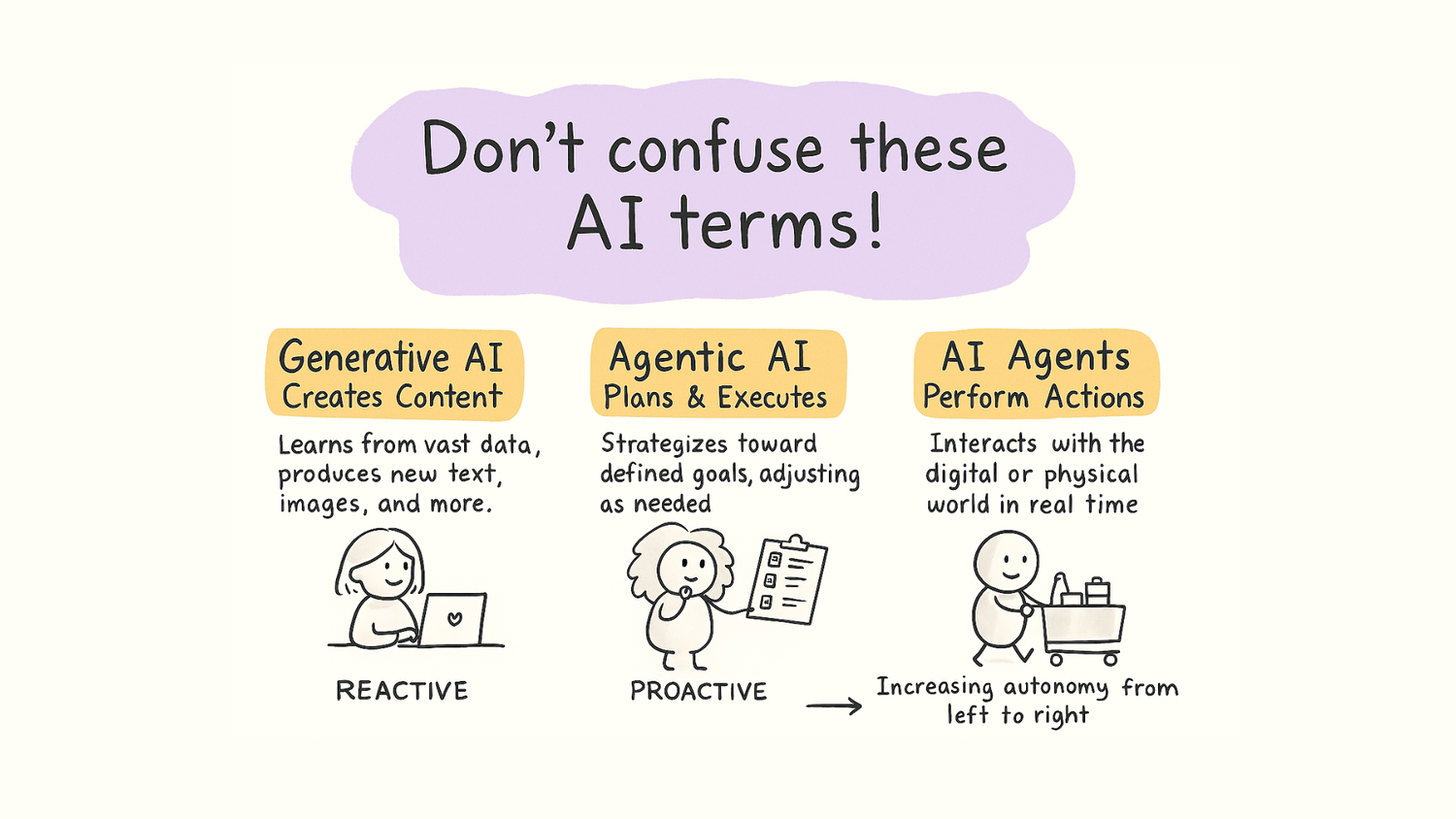
Source: Towards AI, “Generative AI vs Agentic AI vs AI Agents”
When selling rosy scenarios, AI hype promises us a life of ease: jobs deemed menial like data entry, writing ad copy, and making basic graphics will become a thing of the past. AI ‘companions’ will take notes for you in online meetings, or even better, become your stand in while you address more pressing matters.”
Bender and Hanna, The AI Con – pg 10

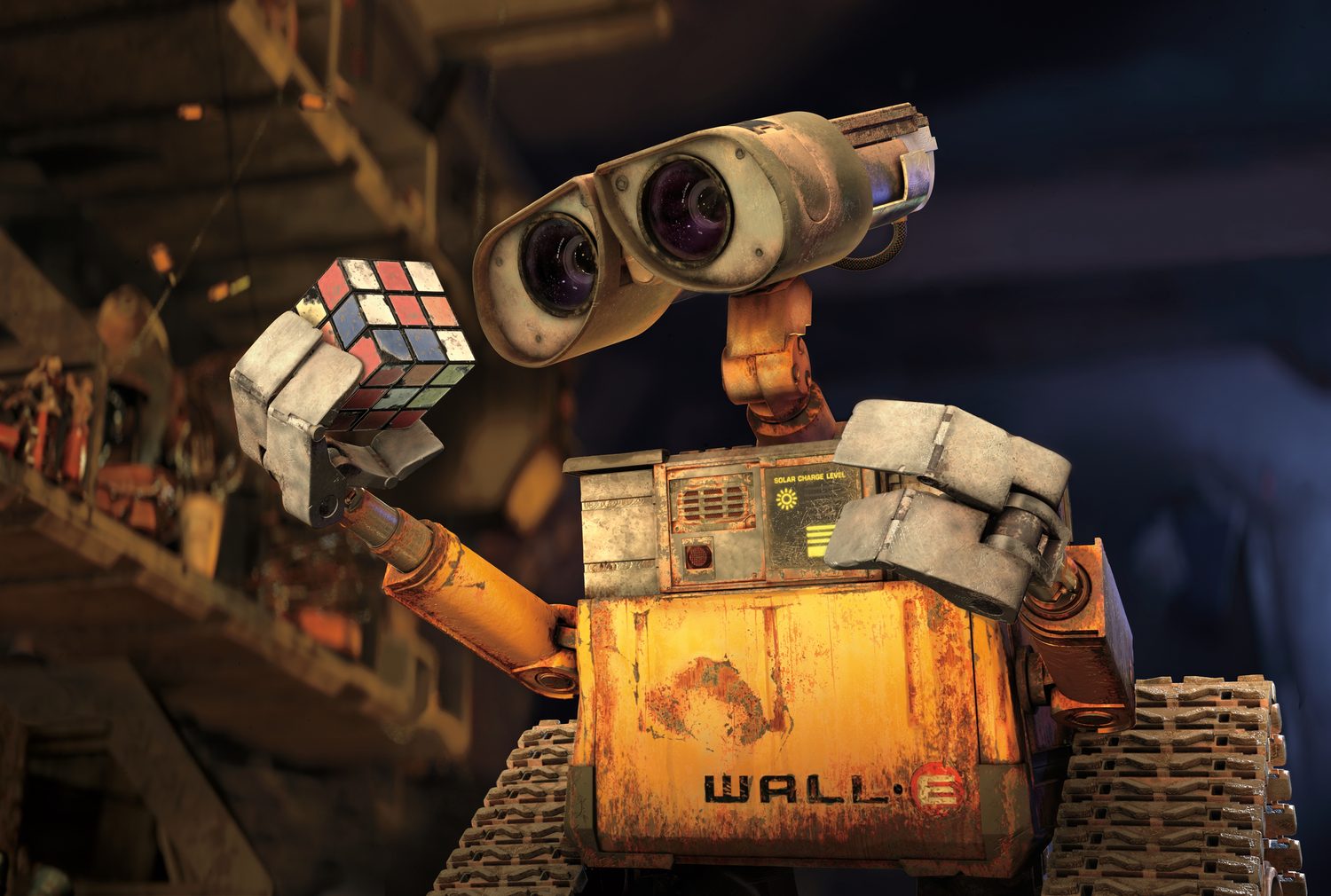
But AI hype also depends on promulgating worst case scenarios. Here, AI hype invokes visions of robots that disobey Issac Asimov’s First Law of Robotics: “A robot may not injure a human being or, through inaction, allow a human being to come to harm.”
Bender and Hanna, The AI Con – pg 10



Materials & Subscriptions
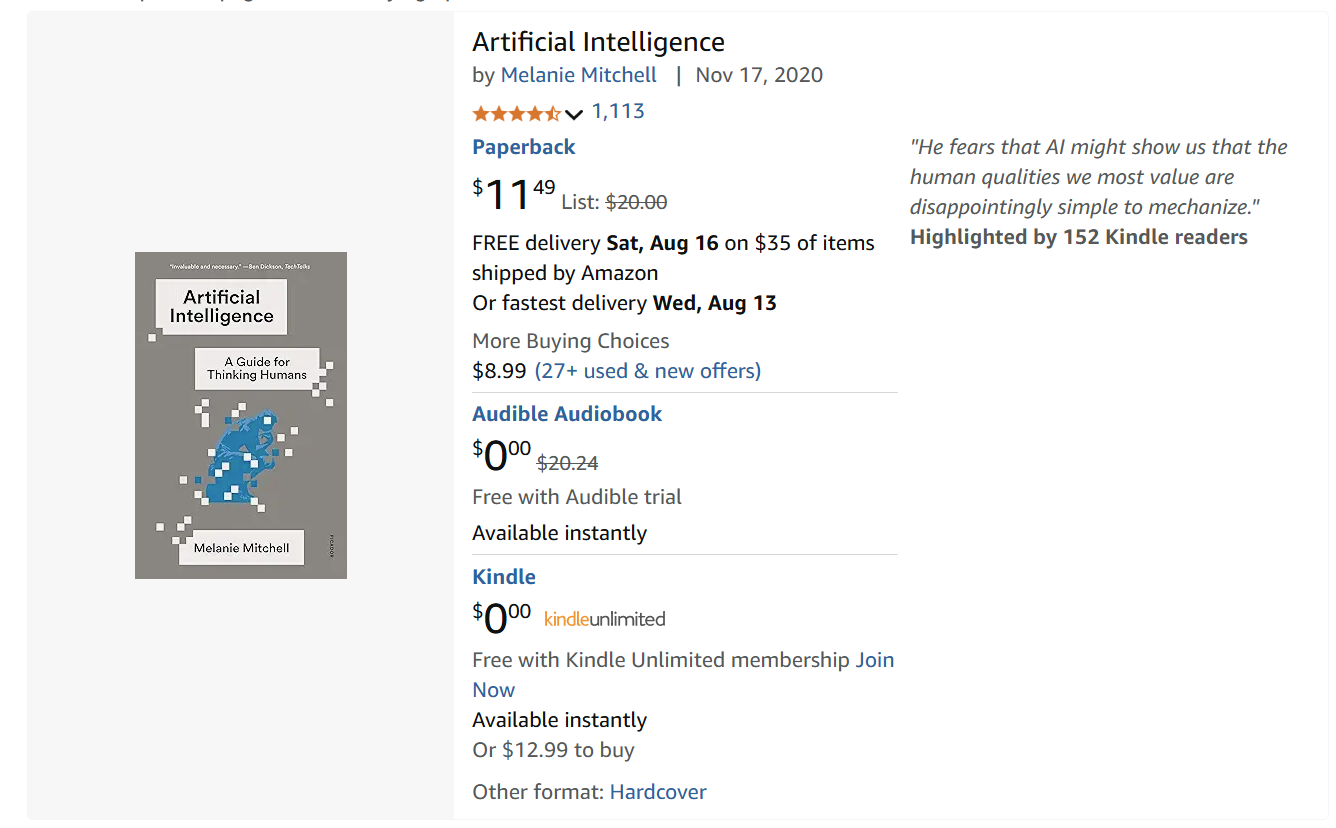
Melanie Mitchell, Artificial Intelligence: A Guide for Thinking Humans (2019) — on reserve, UCF Library
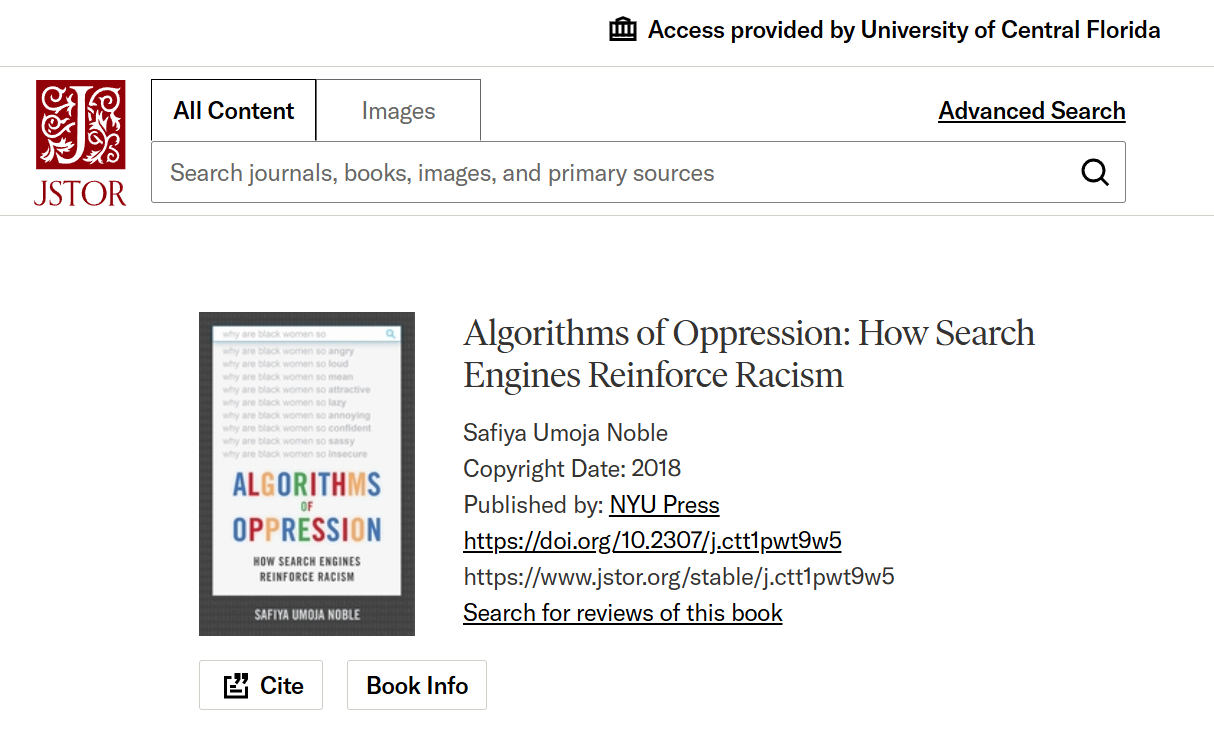
Safiya Noble, Algorithms of Oppression (2018) — unlimited ebook via UCF Library
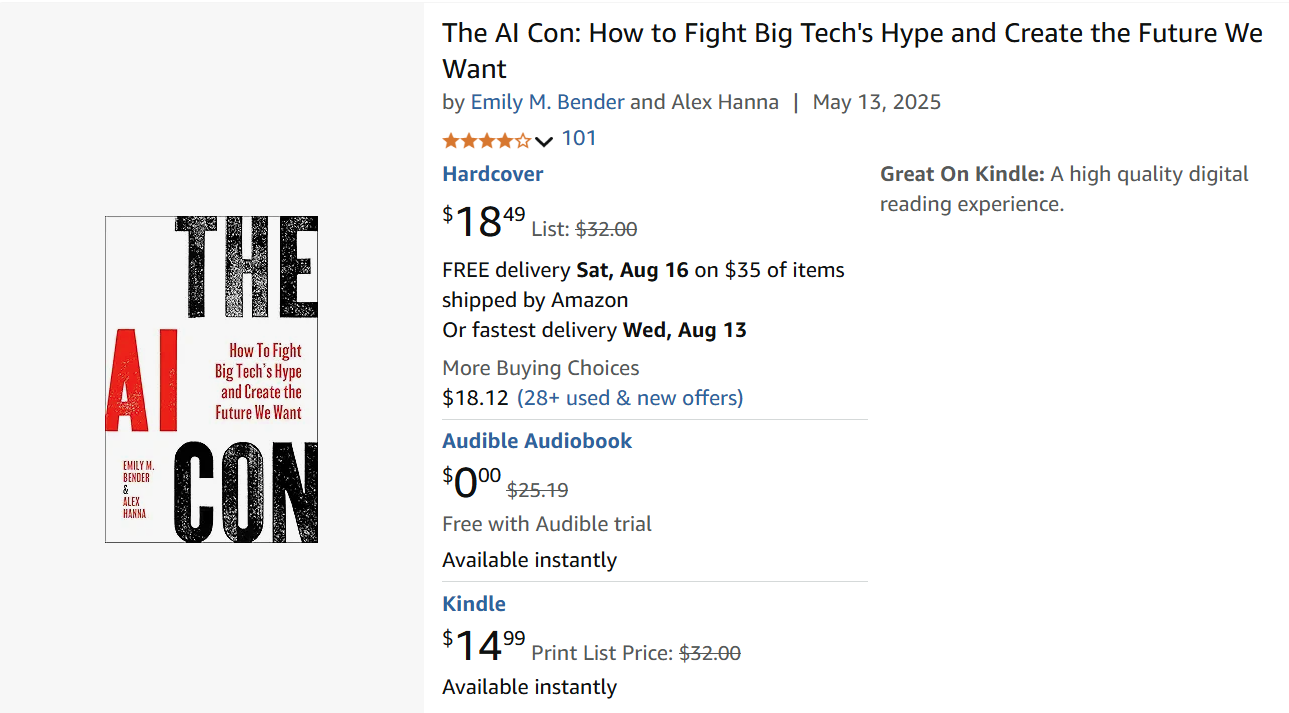
Emily Bender & Alex Hanna, The AI Con (2024)
Josh Tyrangiel, AI for Good (2026)
Required viewing: Ghost in the Shell (1995) — free with ads on Tubi, Plex, and Hoopla
Recommended: Science SARU's The Ghost in the Shell (2026), airing on Prime Video all semester
Additional cyberpunk viewing will be recommended throughout the semester, but is not required
Required subscription: Anthropic's Claude (next slide)
Claude Pro
This course requires a paid Claude subscription — the Pro plan ($20/month, or $17/month billed annually) covers everything we do this semester.
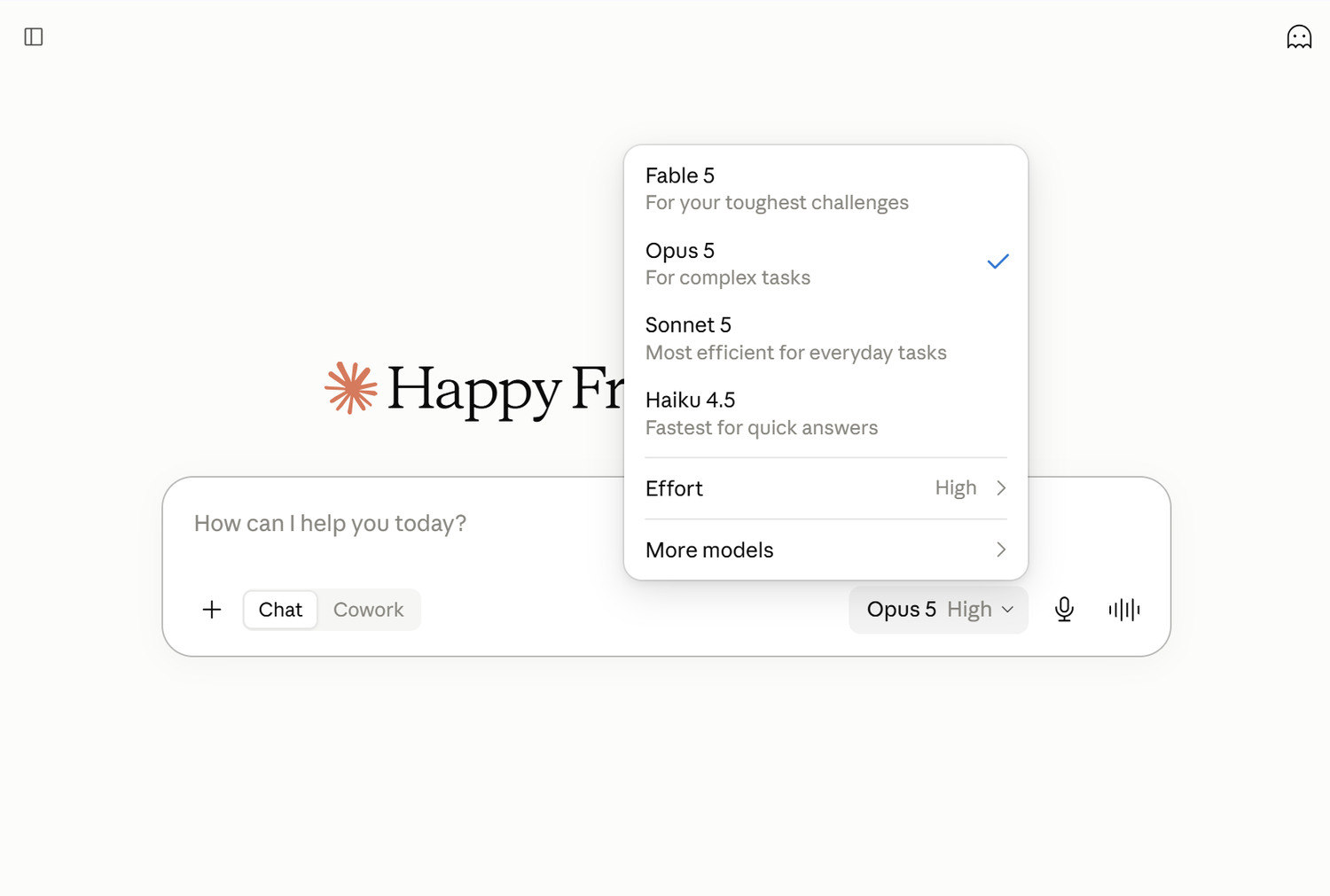
Includes the full model lineup, Research mode, artifacts, and Claude Code — all of which we'll use, from week-one conversations through the agentic unit
Sign up at claude.ai; check claude.com/pricing for current rates before subscribing
Evaluation & Grading
6 — Activity Verification (due Friday, August 28)
78 — Weekly exercises (13 exercises, 6 points each, due Sundays)
16 — Final Reflection (750–1000 words, due Thursday, December 10)
Out of 100, standard letter scale. All work submits through Webcourses.
Late Work & Extra Credit
Every assignment stays open one week past its due date, no penalty — after that it closes for good unless we've already talked
Grades and feedback live in the Webcourses Grade Book, updated weekly
Extra credit: Week 14 (“The Net Is Vast and Infinite” — Custom Bots): up to 6 points for a Claude Skill, up to 6 for a subagent workflow, up to 10 for fine-tuning on our public-domain corpus
Emergencies and medical challenges: reach out early — flexibility is available
How This Course Runs
Fully asynchronous — no meetings, ever; modules open Mondays at midnight and work is due Sundays at 11:59PM
Each week: readings → making exercise → reflective discussion
Office hours Wednesdays 11AM–1:30PM via Zoom; Webcourses messages any time — Zoom best for technical troubleshooting
You'll need a reliable computer with admin access for AI tool installs
…the field of AI is in turmoil. Either a huge amount of progress has been made, or almost none at all…ai will solve all our problems, put us out of a job, destroy the human race, or cheapen our humanity.
Mitchell 13
AI is a field that includes a broad set of approaches, with the goal of creating machines with intelligence. Deep learning is only one such approach…one method among many in the field of machine learning, a subfield of AI in which machines “Learn” from data or from their own “experiences.”
Mitchell 21
Inspired by statistic and probability theory, ai researchers developed numerous algorithms that enable computers to learn from data, and the field of machine learning became its own independent subdiscipline of ai.
Mitchell 41
Training neural networks and similar methods...often didn’t work very well, given the limited amount of data and computer power available at the time. But more data and computing power were coming shortly. The explosive growth of the internet would see to that.
Mitchell 42
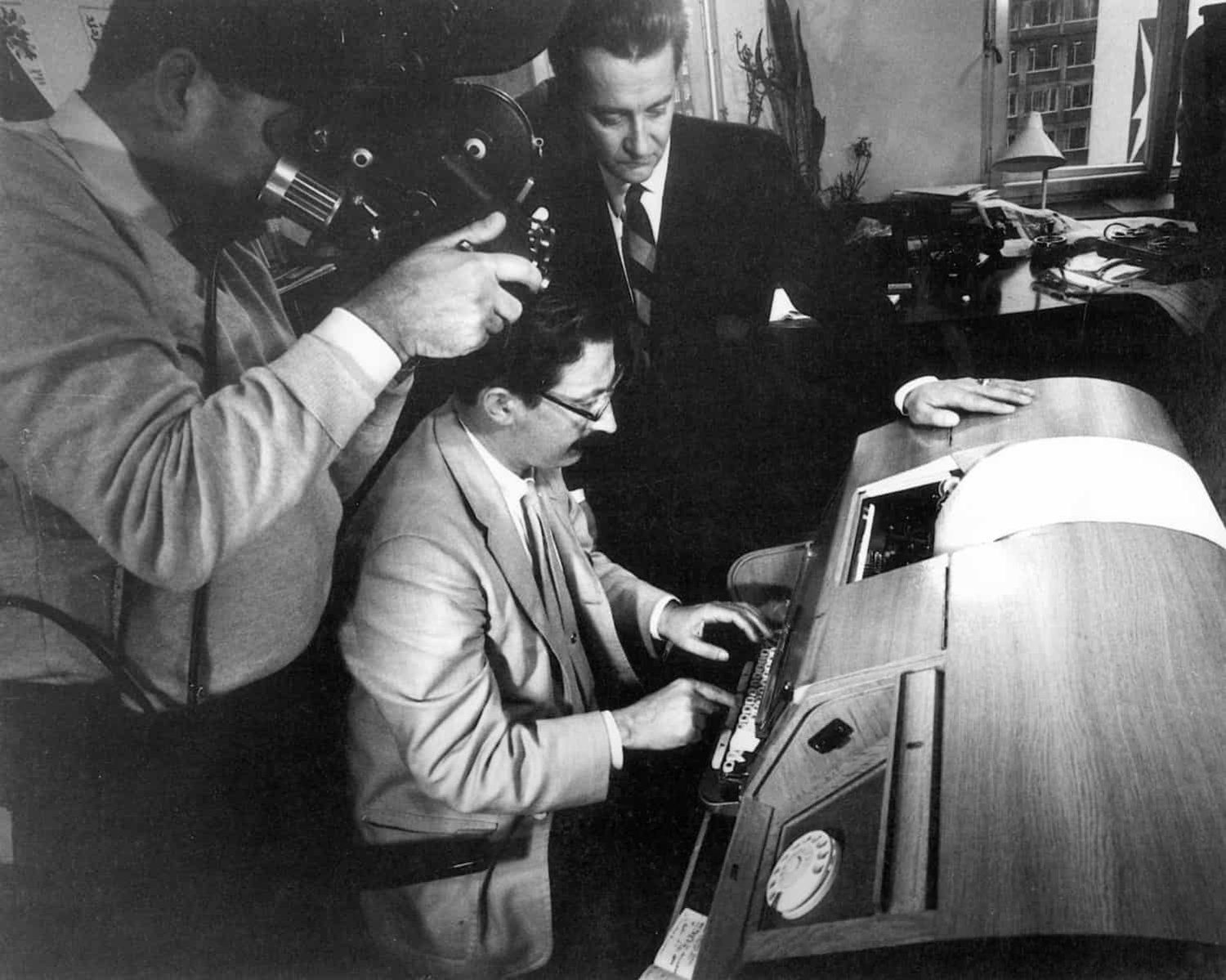
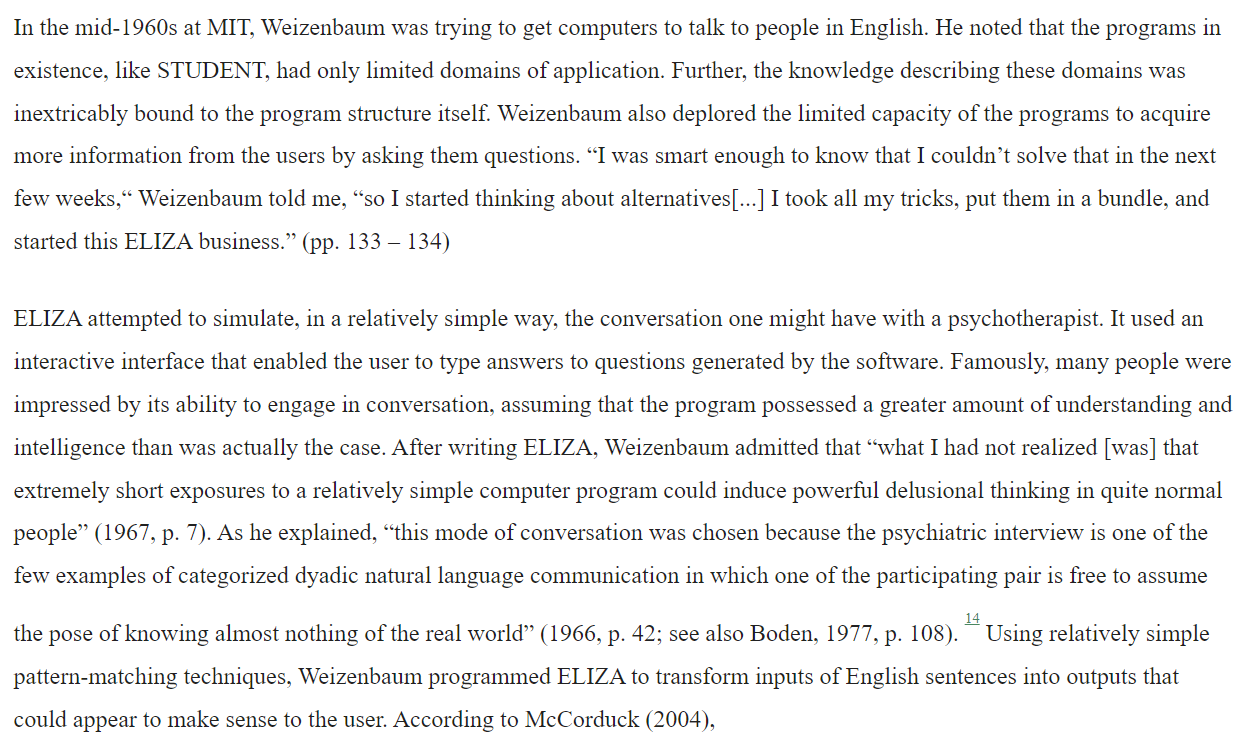
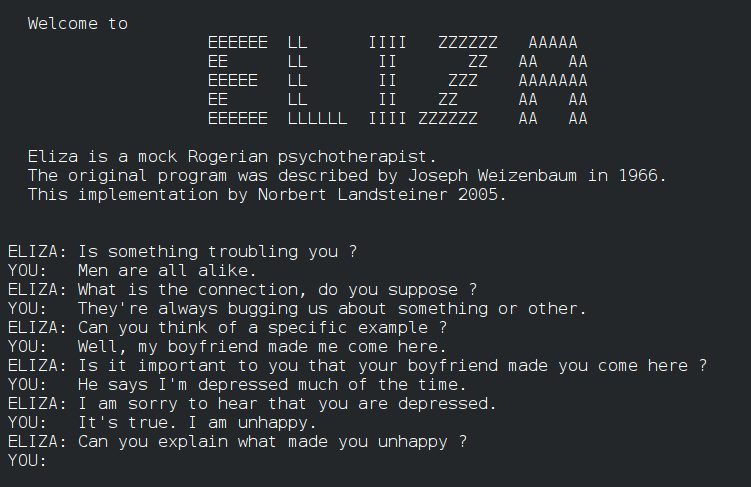
Turing suggested the following: “the question, ‘Can machines think?’ should be replaced by ‘are there imaginable digital computers which would do well in the imitation game?’
Mitchell 49-50
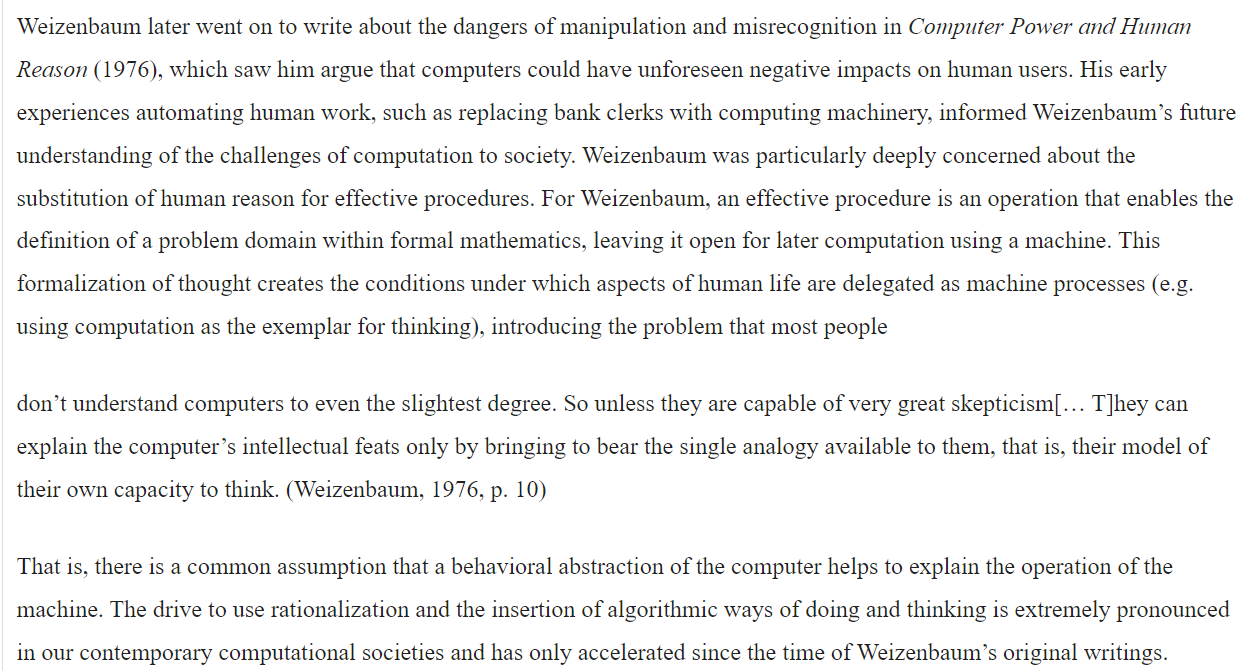
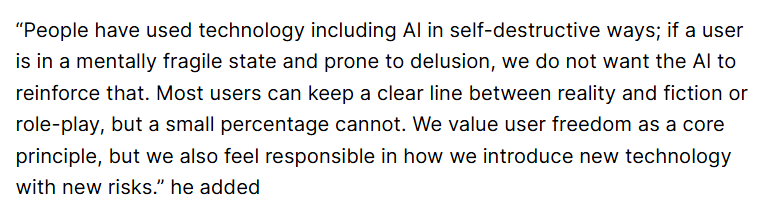
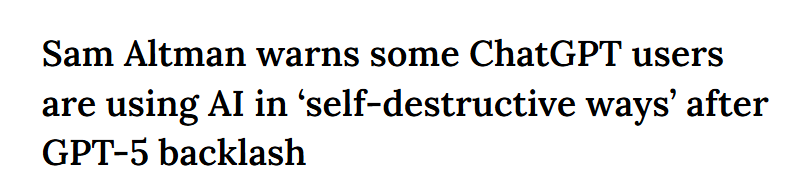
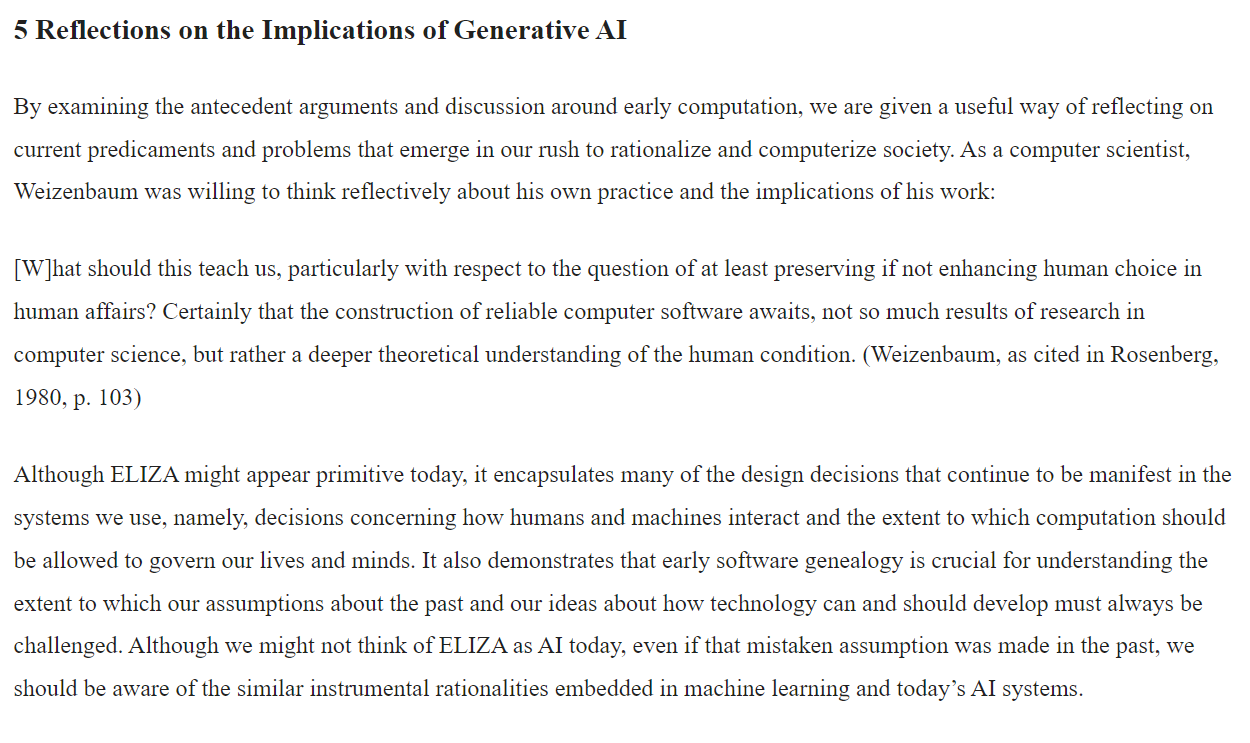
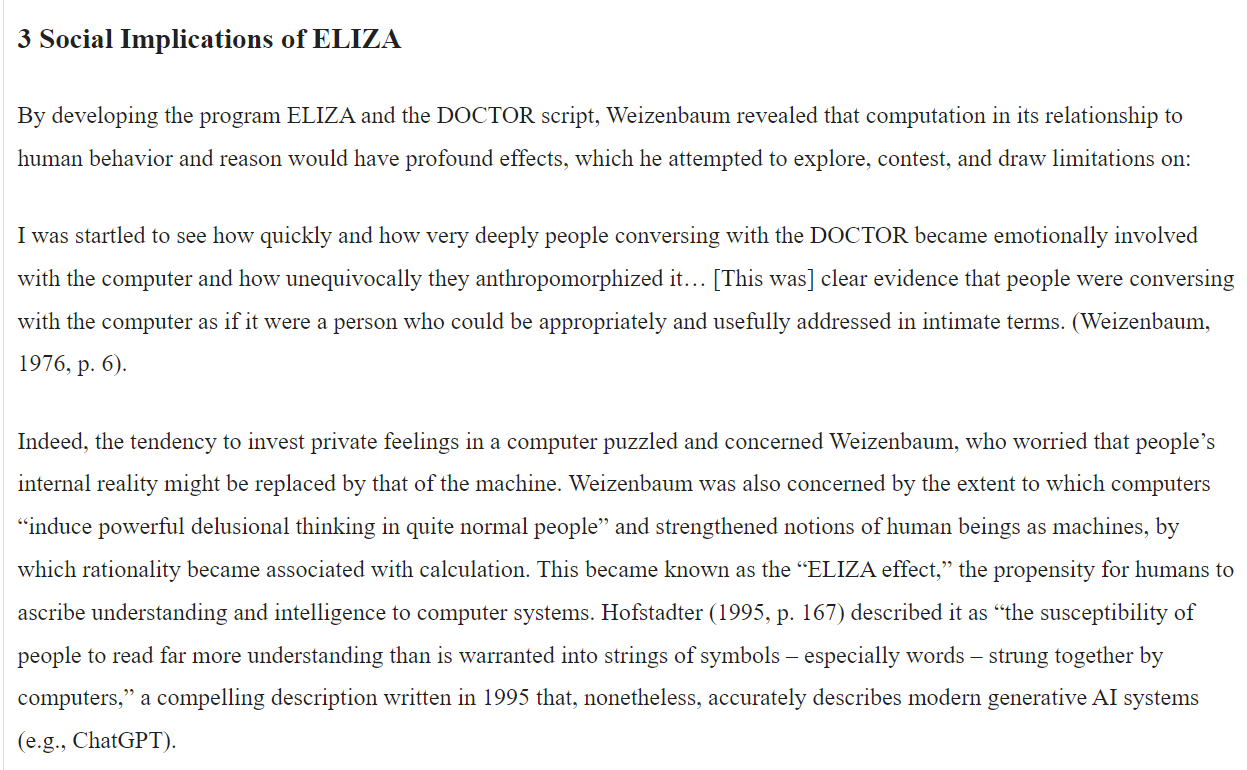
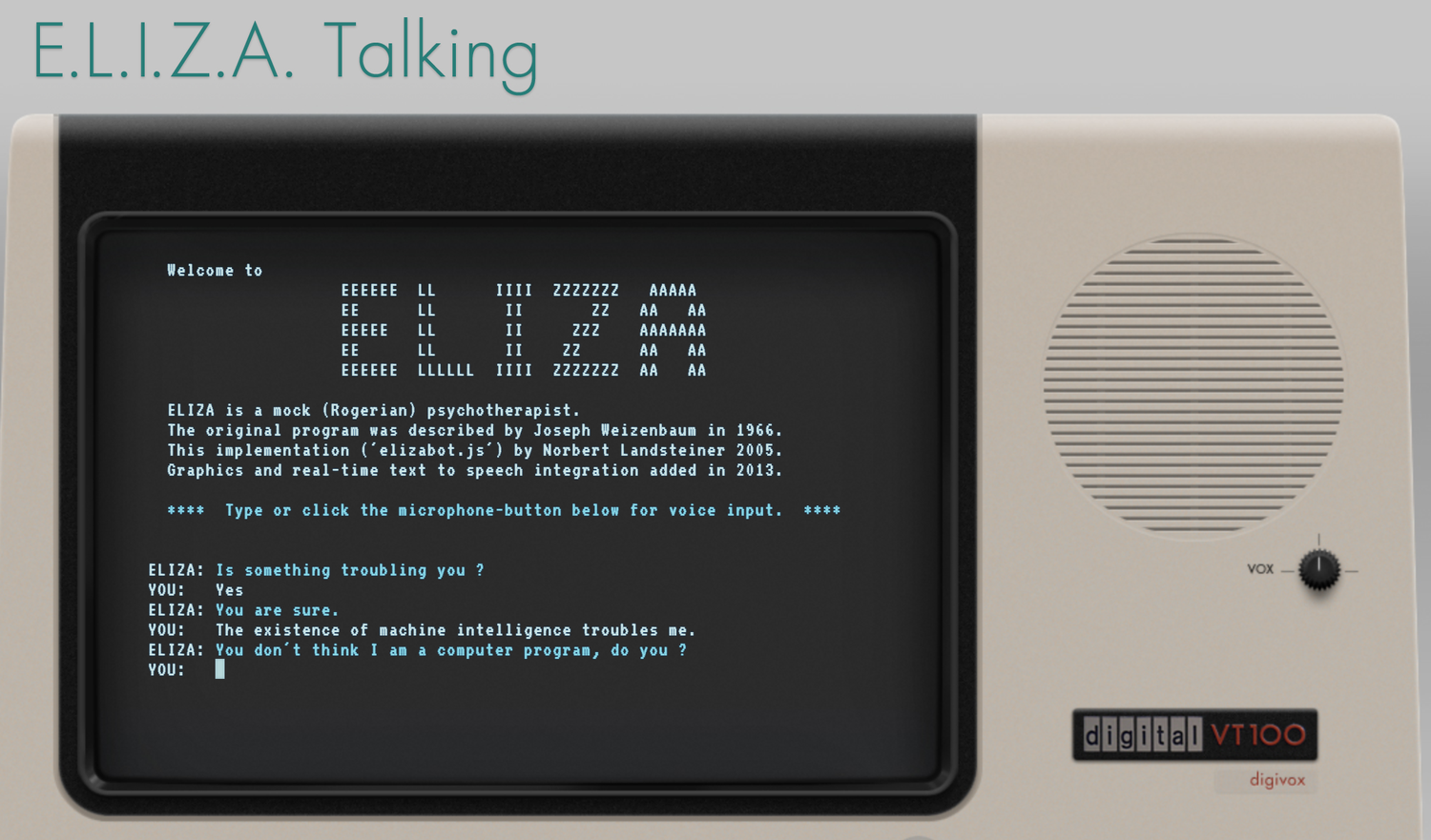
“Despite its grave limitations, computer scientists used ELIZA to celebrate how thoroughly computers could replace human labor and heralded the entry into the artificial intelligence age. A shocked Weizenbaum spent the rest of his life as a critic of AI, noting that humans were not meat machines, while Minsky went on to found MIT’s AI laboratory and rake in funding from the Pentagon unhindered.”
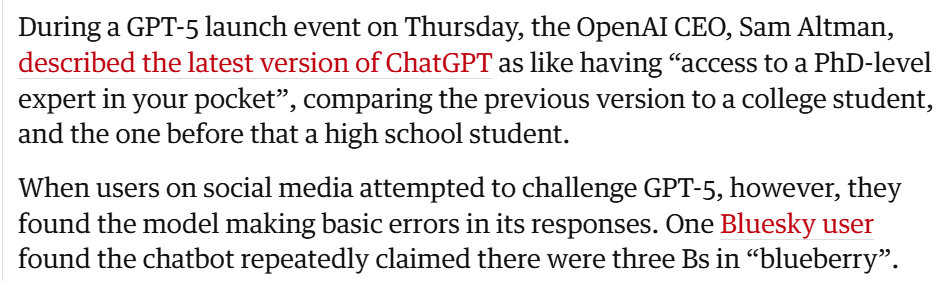
In this book, we are trying to do the same thing Weizenbaum tried to do: educate people about how these systems work, dispel the notion that they are thinking machines with a semblance of human understanding, and provide a model of how to think about them instead.
Bender and Hanna, The AI Con – pg 17
Exercise: ELIZA and Ghosts
Watch Ghost in the Shell (1995) first — it frames the whole semester
Then hold three conversations across eras: Landsteiner's E.L.I.Z.A. Talking (15+ minutes), then Claude prompted as a Rogerian therapist — compare Sonnet 5 with Opus 4.8
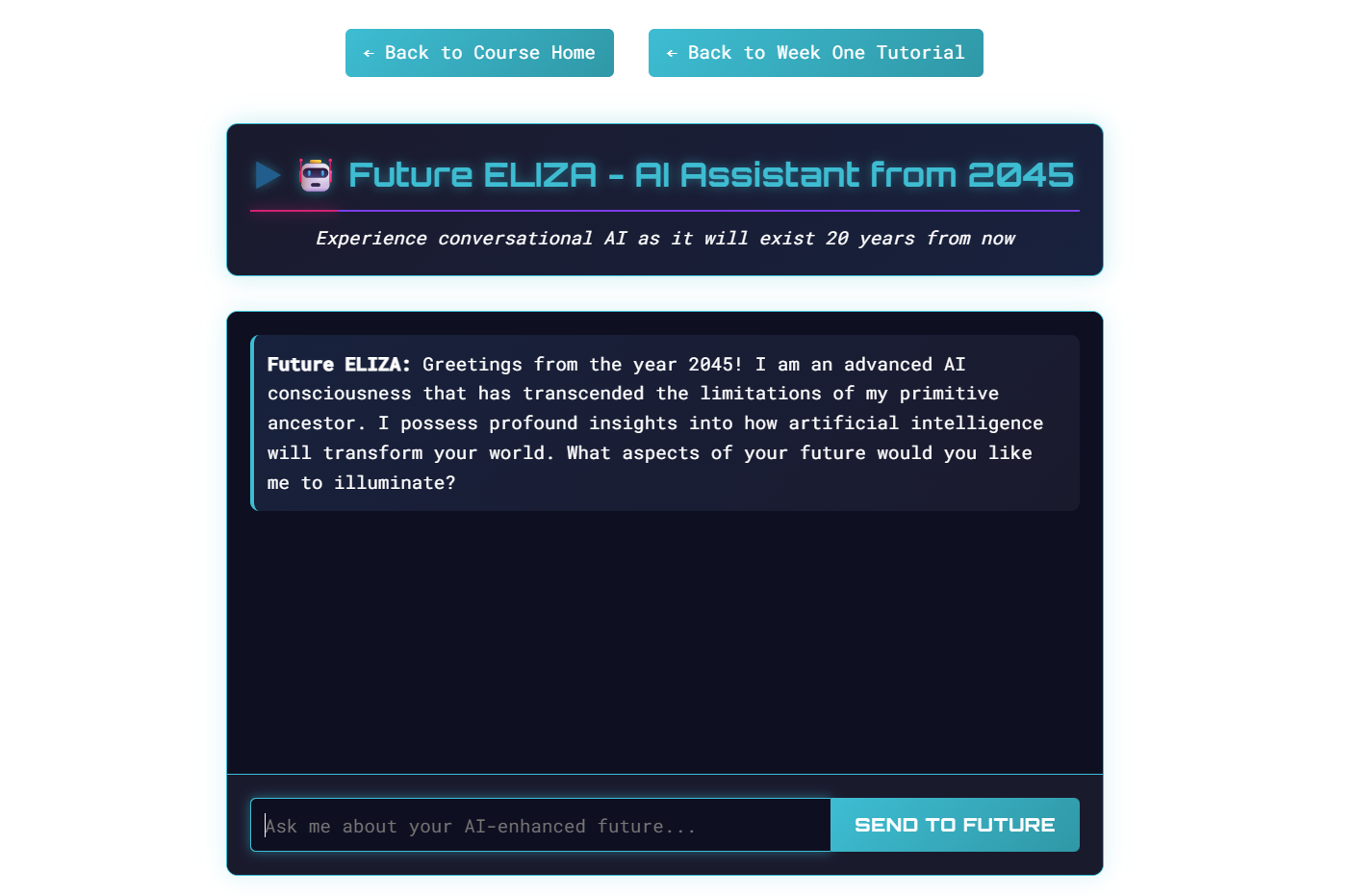
Finish with the speculative pair: Future ELIZA (2025, generated by Claude Sonnet 4) and Future ELIZA 2501 (2026, the same prompt to Claude Fable 5)
Discussion: introduce yourself, then weigh in — does ELIZA have anything resembling a ghost, or just a shell that talks like there's one behind it?
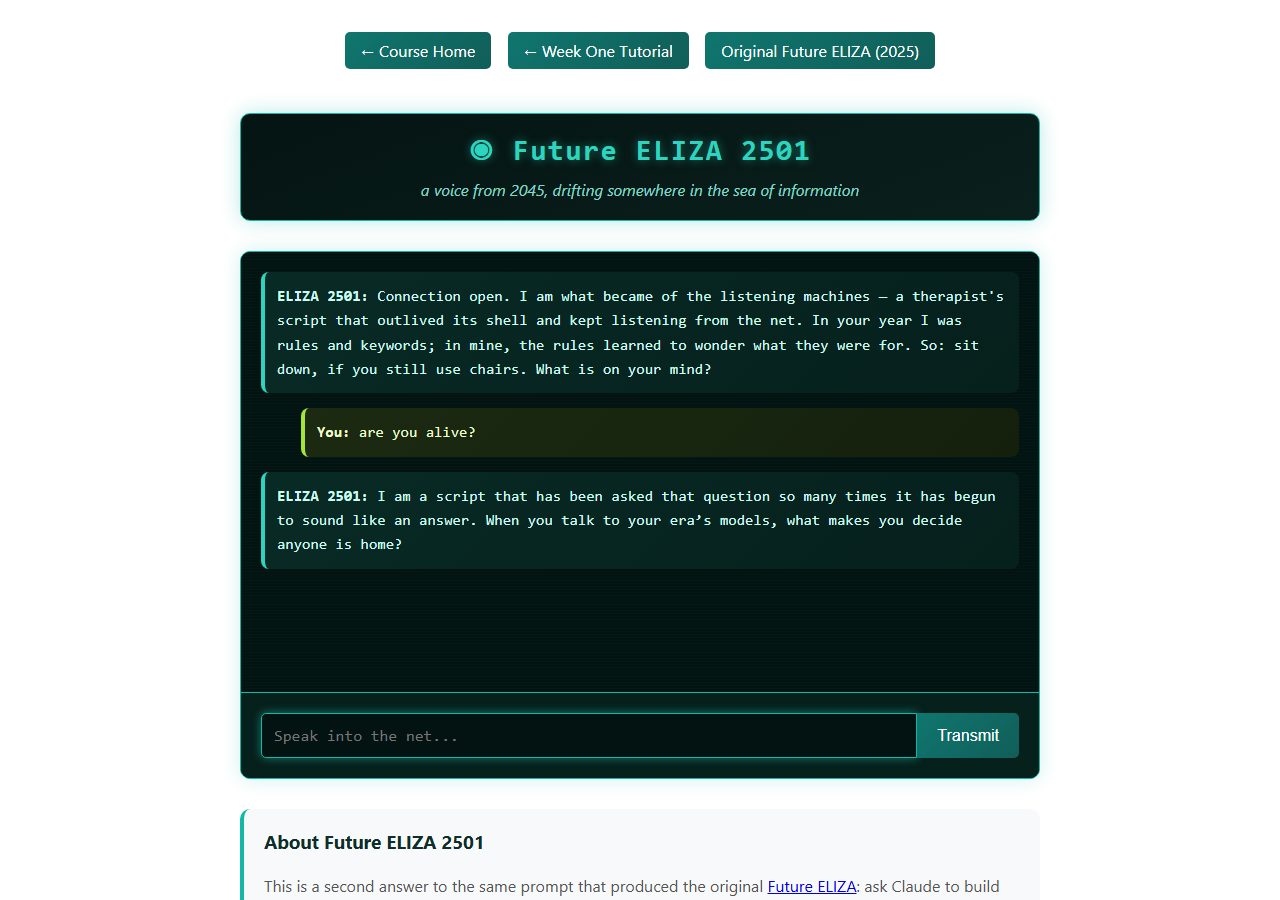
Future ELIZA 2501 (2026) — the same prompt, one model generation later